Creating a home yoga practice can be a transformative journey, both for practitioners and teachers. As busy individuals, we often juggle various responsibilities and commitments, but setting aside time for personal practice is essential for our growth. Whether you’re a seasoned teacher or an enthusiastic student, here are some thoughtful tips for creating a fulfilling home practice that nourishes both body and soul.
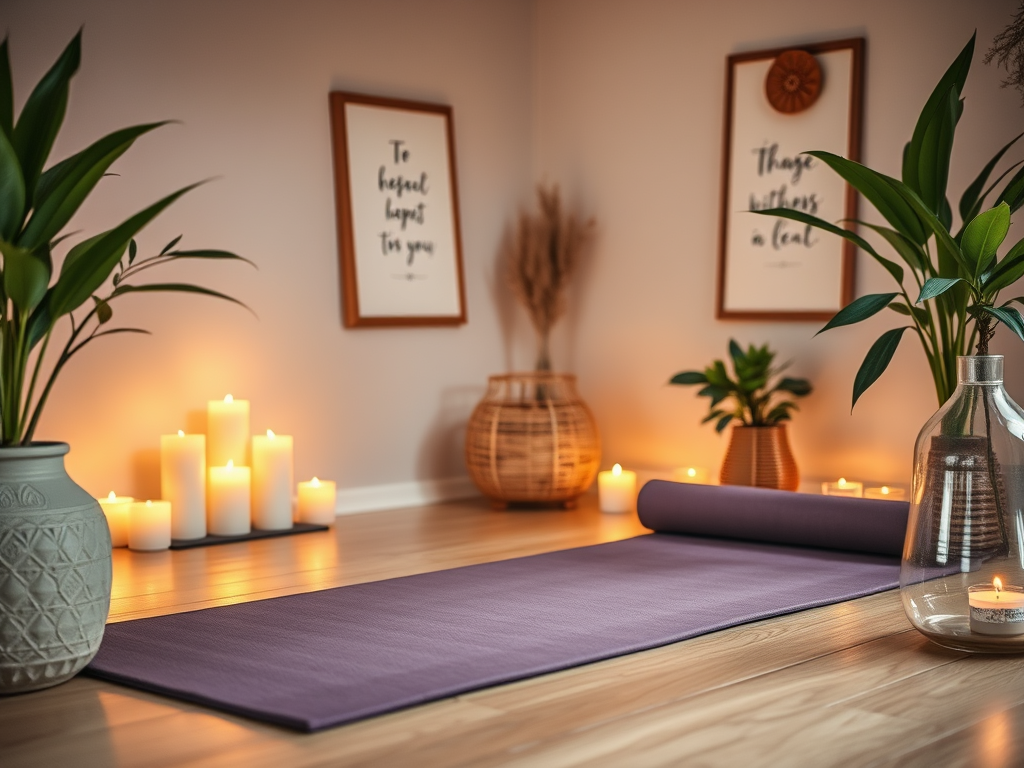
Establishing a dedicated space for your practice can enhance your connection to yoga. Choose a quiet corner in your home where you feel comfortable and at peace. You might want to add personal touches like candles, incense, inspiring artwork, or plants to create an inviting atmosphere. This sacred space will serve as a reminder for you to slow down and turn inward whenever you step onto your mat.
Creating a consistent practice schedule helps integrate yoga into your daily life. Whether it’s early morning or late evening, find a time that feels good for you and stick to it as best you can. Remember, even short sessions can be powerful. Start with just 15 to 30 minutes to cultivate a habit, and let the practice evolve naturally from there.
As both a practitioner and a teacher, it’s essential to listen to your body’s unique needs. Allow your intuition to guide your practice. On some days, you may feel drawn to a gentle flow, while on others, you might crave a more vigorous routine. Embrace these variations, and remember that yoga is an exploration not a competition.
While it’s valuable to follow structured classes and teachings, don’t hesitate to get creative and build your own sequences. As a teacher, you can experiment with familiar poses and concepts, weaving in what resonates with you personally. Consider challenges you want to work on and poses that feel good. Crafting your sequences can deepen your understanding and strengthen your connection to your practice.
Yoga is not just about the physical postures; it’s also about cultivating mindfulness and presence. Add moments of stillness to your practice through breathing exercises or meditation. Pausing to reflect, focus on your breath, or simply observe your thoughts can enhance your overall experience and bring clarity into your day.
Life can be unpredictable, and some days may not go as planned. It’s okay to adjust your practice based on how you feel. If you find yourself short on time, embrace a brief grounding session instead of feeling pressured to adhere to a lengthy routine. Consistency is important, but so is compassion for yourself in times of change.
As a teacher, you have a wealth of experience and knowledge that can enrich your home practice. Think of the lessons you’ve learned from your students and fellow teachers; allow those insights to inform your own practice. Use this opportunity to refine your understanding of alignment, adjustments, and the philosophy behind the poses.
After each practice, take a few moments to reflect on your experience. What did you enjoy? What challenged you? Journaling can help solidify insights and allow you to track your progress over time. These reflections will deepen your connection to your path, making you more aware of the growth that is unfolding.
Creating a yoga home practice is a beautiful gift you give yourself, enriching your journey as both a practitioner and a teacher. Embrace the process, remain open to exploration, and remember that it’s about nurturing your authentic self. As you cultivate this dedicated space for practice, may you find joy, peace, and insight waiting for you on your mat.
With love and light on your journey.
Brittany Michelle 🐝